 Canopy
Where CapitalMeets Canopy.
Steering high-net-worth capital into certified green residential assets — passive houses, net-zero retrofits, LEED developments — where IRR and carbon reduction share the same spreadsheet row.
Evidence, not aspiration.
Each asset below represents a completed or stabilized position. Numbers are audited. Certifications are verified. Returns are net of advisory fees.
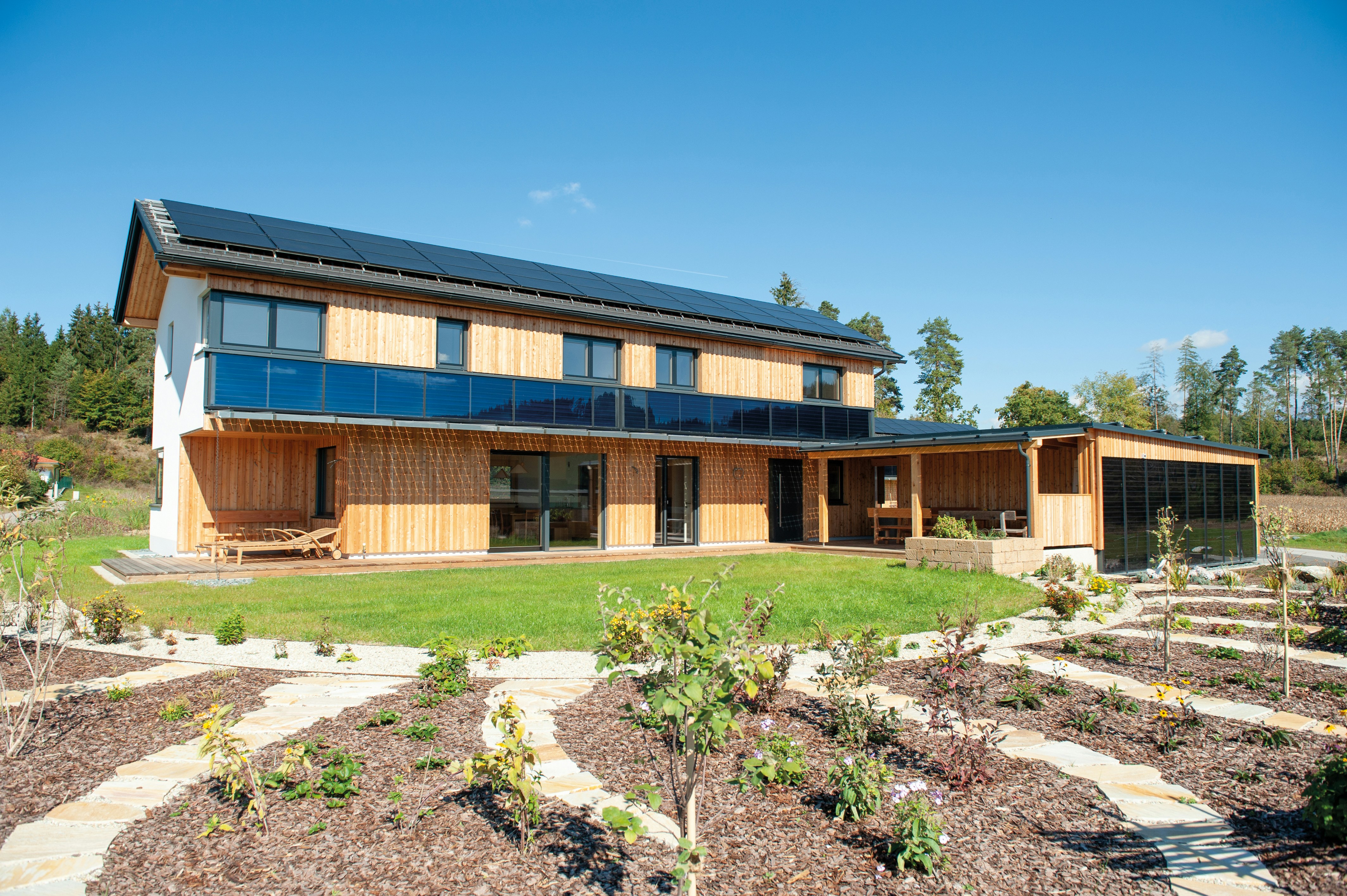
Ridgeline Passive House
A 4,200 sq ft certified Passive House on 1.2 acres. Acquired off-market through a distressed estate sale. Post-retrofit energy demand reduced 84%. LEED Platinum certification secured within 14 months.

Prospect Heights Net-Zero
A 24-unit net-zero multifamily development. Ground-up construction with BREEAM Outstanding rating. On-site solar covers 107% of annual demand. Green premium commanded 18% above comparable non-certified units at stabilization.

Barton Hills Solar Estate
A 3,600 sq ft single-family retrofit converting a 1978 ranch structure into a certified Passive House with integrated solar canopy. First in Travis County to achieve dual LEED Gold + Passive House Institute certification.
READY TO EVALUATE YOUR POSITION?
Understand where you stand before you allocate.
Three reasons the thesis is durable.
The arbitrage window is narrowing. That is the point.
Certified green residential assets traded at a 4–7% premium to non-certified comparables in 2019. By 2024, that premium had expanded to 11–18% in primary markets. The compression thesis is not about buying cheap — it is about buying before institutional capital finishes pricing in what retail has not yet understood: that energy performance is now a hard valuation input, not a soft ESG preference.
Policy is not a risk factor. It is a return driver.
The IRA's 45L energy-efficient home tax credit, California Title 24 mandates, and New York Local Law 97 carbon penalties are not headwinds for certified green assets — they are direct tailwinds. Non-compliant residential stock now carries embedded retrofit liability that depresses future exit multiples. Certified assets carry the inverse: policy-backed demand from buyers who cannot afford to own anything else.
Green allocation scales differently at every tier.
A $2M allocation warrants a single stabilized retrofit — known cash flow, immediate certification, minimal development risk. At $10M, a mixed strategy of two to three assets across geographies captures both income yield and appreciation. At $50M+, a programmatic approach — anchoring in a development-stage LEED community while holding stabilized passive houses for base yield — delivers the blended return profile that satisfies both the CFO and the sustainability committee.
Green allocation scales with intent.
Every tier is a distinct strategy, not a scaled copy. The right approach depends on current portfolio composition, tax position, and legacy intent — not simply capital available.
Explorer
A single stabilized retrofit or certified passive house acquisition. Known cash flow, immediate certification, minimal development exposure.
- Single-family Passive House
- Net-zero retrofit (post-cert)
- LEED Gold residential
Architect
Two to three assets across geographies. Blends income yield from stabilized positions with appreciation upside from one development-stage asset.
- Mixed residential portfolio
- One development-stage LEED
- Stabilized multifamily (BREEAM)
- Geographic diversification
Steward
Programmatic approach anchoring in a development-stage LEED community while holding stabilized passive houses for base yield. Satisfies CFO and sustainability committee simultaneously.
- Development-stage LEED community
- Passive house base yield
- Carbon credit monetization
- Legacy estate planning
Assess Your Green Portfolio Readiness.
Six questions. No price. No pressure. A personalized Green Allocation Profile — Explorer, Architect, or Steward — and a prompt to book a private briefing when you are ready.
Do you currently hold any residential real-estate investments?
READINESS SCORE
Score updates with each answer
From the principals themselves.
Canopy gave us a framework that satisfied our investment committee and our sustainability mandate simultaneously. The Architect tier was exactly right for our first green allocation.
The Ridgeline case study convinced me more than any pitch deck could. Real numbers, real certification, real return. We are now three assets deep.
I came in skeptical that green meant giving up yield. Canopy showed me the premium compression data and I understood immediately. Explorer position is now stabilized at 8.9% net.
Book a Private Briefing.
No price. No commitment. A 45-minute conversation about your portfolio, your priorities, and whether green allocation is appropriate for your position.